
Tag: ShariahCompliance

Mufti Taqi Usmani’s Fatwa on Cryptocurrency

Text: CRYPTO Cryptocurrency

This note does not seek to examine the various juristic definitions of māl. Rather, it argues that merely describing cryptocurrencies as digital numbers or ledger entries does not seem sufficient to exclude them from the category of māl. The same description applies to modern banking, electronic money, and numerous forms of intangible financial rights. In fact, what we call fiat currencies—such as the Pakistani Rupee or the US Dollar—have themselves largely become ledger entries. The balances held in bank accounts (including those of Islamic banks) are, in reality, digital records.
Rate this:

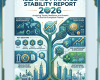
Key Highlights of the Islamic Finance Stability Report 2026

Islamic Finance Stability Report 2026 with global market, technology, risk, and sustainability sectors

The global Islamic financial services industry reached $4.4 trillion in assets in 2025, with growth in banking, capital markets, and insurance sectors. Islamic banking remains dominant, but non-banking segments are growing faster. The industry is concentrated in GCC and EAP regions (75% of assets). Sukuk markets expanded to $1.10 trillion, with strong growth in sustainability and climate-related issuances. Islamic insurance grew double-digit, driven by emerging markets and mandatory insurance requirements.

Rate this:

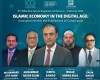
Highlights of Al-Baraka Forum 2026

The AlBaraka Forum held the 6th AlBaraka Forum Regional Conference on 19 & 20 January 2026 at the Pearl Continental Hotel, Karachi, under the theme “Islamic Economy in the Digital Age: Innovation within the Framework of Compliance”. On this occasion, H.E. Mr. Yousef Hassan Khalawi, Secretary General of AlBaraka Forum for Islamic Economy, assured that Islamic finance now has the potential to be on the same stage as conventional banking, as both enter the digital age at the same moment, asking the question: “Will we follow the same trend for the last fifty years? No. From today, by entering this age, either you choose to be innovative, or again, you will be number two, always like before.”

Rate this:

Central Bank Digital Currencies Through an Islamic Lens

In Islamic jurisprudence, money (mal) serves primarily as a medium of exchange, a store of value, and a unit of account. Classical jurists such as al-Ghazālī and Ibn Taymīyah stressed that money must not be used for speculative ends or to generate guaranteed returns (riba), nor should it expose transacting parties to undue uncertainty (gharar) or resemble gambling (maysir). Extending these timeless principles into the digital age, a Shariah-compliant CBDC must preserve the objectives of Islamic law (Maqāṣid al-Sharīʿah) by fostering economic justice, preventing harm, and promoting communal welfare.

Rate this: