

(April 20, 2024) – Day 2 of the SZABIST University International Conference started with a panel discussion on Sustainable Development Goals. Panelists included Vice Chancellor, Salim Habib University, Prof. Dr. Irfan Hyder, Dean ASC, NED University, Dr. Noman, renowned development economist Dr. Qaiser Bengali and one of the most vocal activist and advocate of women rights in Pakistan, Ms. Anees.

Panelists talked about the concerns that SDGs may prove to be an exercise in semantics if they remain unachievable by 2030. Some SDGs are not realistic to be achieved, especially for countries like Pakistan. Nonetheless, SDGs push governments to take at least the foundational steps in the right direction.
Panelists agreed that SDGs are interconnected and require a holistic approach. The current governance system in Pakistan has vertical structure wherein the functions and administration related to education, health, welfare and population are all isolated and independent from each other.
Panelists highlighted the concern that goal setting is easier. Bigger problem comes in policy and implementation. Effective implementation requires greater commitment. Hence, there is a long way to go for countries like Pakistan.
Dr. Qaiser Bengali said that Pakistan’s debt crisis paralyzes policymaking. Since each successive government has to think about how to get more debt to service previous debt, sustainability concerns and challenges go off the agenda.
Prof. Dr. Irfan Hyder said that Pakistan is behind in both access and quality of education. Millions of children are still out of school. Those who do make it do not receive quality education. Ms. Anees highlighted that there is also concerning high dropout rate of girls in school.
Better governance requires empowering local governments. Large cities require decentralised administration so that there can be effective and efficient response to the demands of urban cities.
Dr. Noman suggested that urban planning and design needs to be revisited to allow affordable energy, water, clean air, efficient transport and wastage disposal.
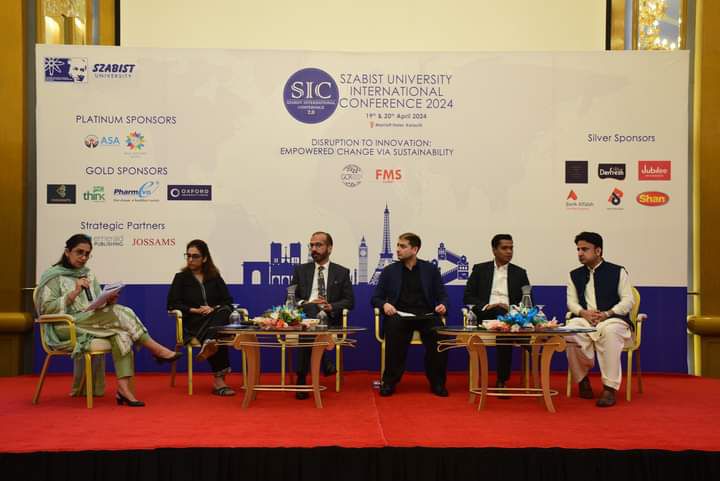
The second panel discussion focused on effective healthcare system in response to climate change. Esteemed panelists included:
Dr. Yasmeen Qazi, Senior Country Advisor on Family Planning, Bill and Malina Gates Foundation.
Dr. Mehtab S. Karim, Prof., SZABIST University.
Mr. Riaz Rahoojo, Chief Operating Officer, PPHI.
Mr. Askari Hassan, Project Manager, Takeda ‘Surmi’, Pathfinder.
Dr. Kamran Idris, Senior Manager Research, Development and Education, SIEHS.
Dr. Sohail Shaikh, Additional Director, EPI Sindh Health Department, Government of Sindh.
Dr. Yasmeen mentioned that healthcare system is intertwined with infrastructure and resources, such as clean water, sewerage system, sanitation, nutrition and energy, for instance.
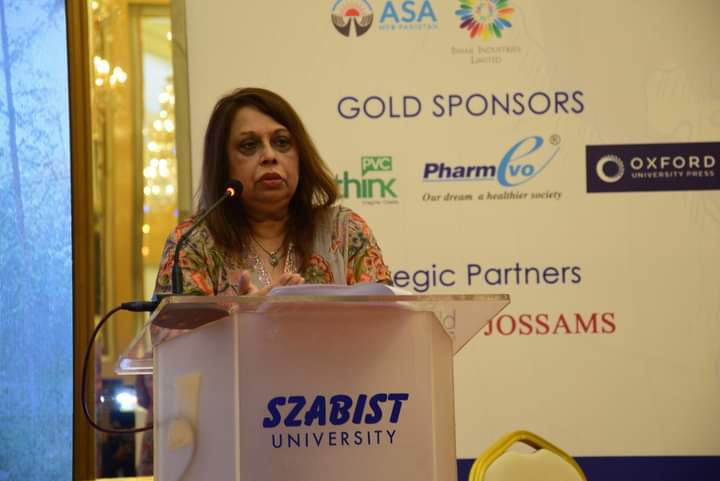
Health is affected by climate changes as well. Increased heatwaves affect reproductive health and affect food supply and food security.
She mentioned that equipment and medicine shortage needs to be avoided. For this, institutional and resources capacity needs to be enhanced. Health services delivery needs to be climate-informed.
Panelists highlighted that climate change compels migration and in new places, people may not have regular access to healthcare. Panelists highlighted that floods caused more diseases including dengue fever and malaria. Recurring floods and their economic and health effects show the importance of resilient and proactive approach in dealing with crisis like situations. Such health shocks as a result of earthquakes, floods and heavy rains affect animal life and crops. This in turn affects food supply and livelihood.
Panelists urged that public private partnership is also necessary in rural areas as well where the active response requires greater scale and support of government. Panelists cautioned that being poor and having a poorly managed system worsens the problems. Therefore, effective response requires readiness and resilient approach to the response.
Panelists recommended the effective use of telemedicine to reach farflung areas and areas in crisis to leverage technology and resources. Sindh now has telemedicine service at 1123 and government run ambulance service at 1122. Panelists also urged that to reduce the pressure on hospitals, the scale and access to primary healthcare centres shall be provided in each neighborhood.
Panelists suggested to have climate adaptation plans and urged that health facilities should be responsive in emergency and crisis situations with backup resources.
The last panel discussion was focused on the role of microfinance in facilitating socio-economic upliftment and mobility. Panelists included:
Mr. Tasawar Hussain, Deputy CEO of ASA Microfinance.
Mr. Asghar Memon, SVP / Head of Microfinance Portfolio, Pakistan Microfinance Investment Company.
Dr. Sono Khangharani, CEO, Thardeep Microfinance.
Muhammad Murtaza, Executive Director, Rural Community Development Society & Vice Chairman, Pakistan Microfinance Network.
Mr. Shoaib Ahmed, CEO at Sindh Microfinance Bank.
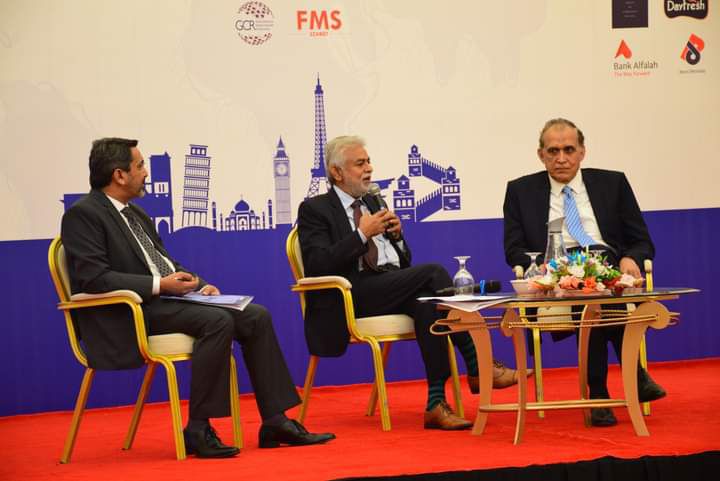
Panelists discussed that financial inclusion in Pakistan is lower, especially on credit side. Despite growth, microfinance is not catering to the huge demand. Due to recurrent shocks caused by earthquakes, floods and pandemic, more people go below the line of poverty and become un-bankable.
Panelists recommended that alternate ways of reaching people are important. Use of mobile phone has worked, especially in facilitating remittances and payments. Furthermore, Green finance at micro level is also important to finance pesticides, insecticides, solar panels and tube wells.
Panelists highlighted that most of the clients are women. E.g. 97% clients of ASA microfinance are women. Repayment rates are also higher. Growth in microfinance can help in reducing poverty, hunger, facilitating quality education, and health and wellbeing.
Panelists cautioned that social intervention and microfinance is different. Akhuwat model is driven by philanthropy. Microfinance institutions get grants, but they should not be dependent on grants alone. Microfinance institutions shall be efficient and have commercially viable business proposition. If required, they can mobilize deposits, especially when repayment rates are higher and there are repeated customers.
As a case example, Sindh Microfinance Bank does not receive grants. It is because grant dependency may bring compulsion to work on donor-influened social interventions.
Panelists agreed that deposit mobilization is a challenge in high interest rate environment as even banks and mutual funds are also offering profit rates in excess of 20%. Industry representatives urged that regulatory flexibility is important for microfinance institutions since they are not similar in capacity and risk level as compared to banks.
In his keynote address, Dr. Gaitha from Christian University, Philippines mentioned that Philippines has strong focus on education, especially education in ICT. Today’s world requires contemporary ICT skills and digital competencies. This can help in improving productivity which may help in cost competitiveness and boosting exports. He highlighted that Philippines rely largely on remittances from its skilled human resource.
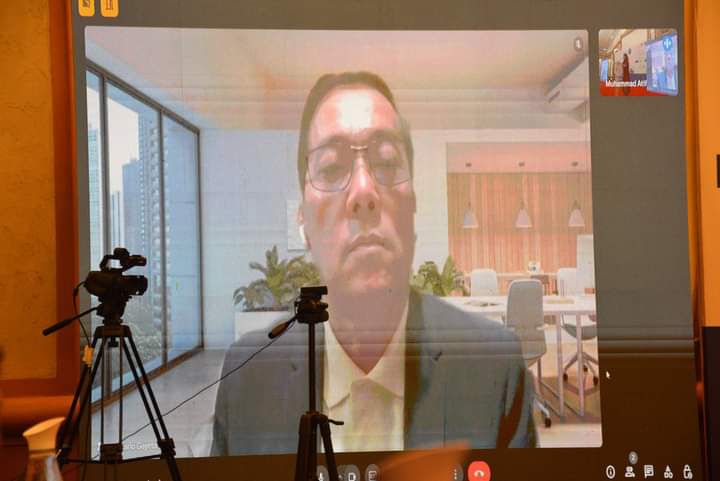
In the closing ceremony, Vice Chancellor Sindh Madarsat-ul-Islam University, Dr. Mujeeb ud din Sehrai remarked in his address that Pakistan is an agricultural country. Pakistan is among the top five producers of milk, cotton and sugarcane, yet because of high population growth, Pakistan is still not self sufficient in food. Population growth is an important challenge. It will stress resources including physical infrastructure and energy. There is need to improve agricultural productivity as well as manage population bulge.
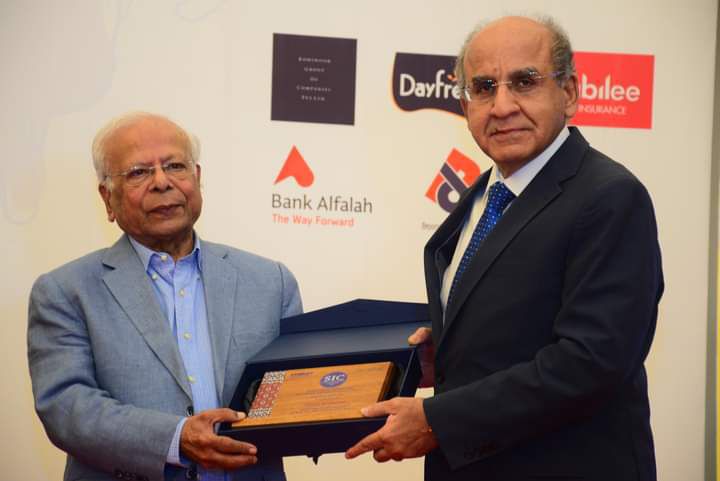
Mr. Saeed Uddin, CEO ASA Microfinance in his closing remarks mentioned that ASA microfinance is contributing to social sustainability by providing microfinancial services, especially to women to enable women empowerment. It has 345 branches and all are solar powered.
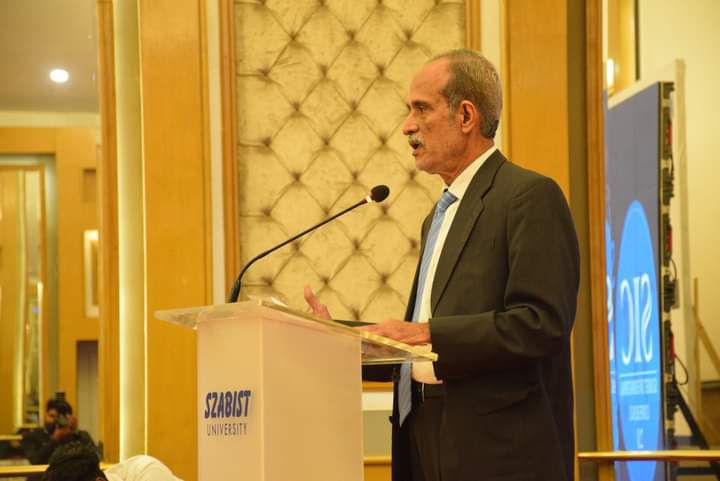
Mr. Muhammad Idrees, Chief Commercial Officer, Engro Polymer mentioned that Engro believes in green and focuses on the idea of energy for growth. Energy conservation is important. Green energy is also not free and requires cost and maintenance of infrastructure to harness renewable energy. Conservation depends on habits which are in our hands and we need to create awareness about conserving energy.
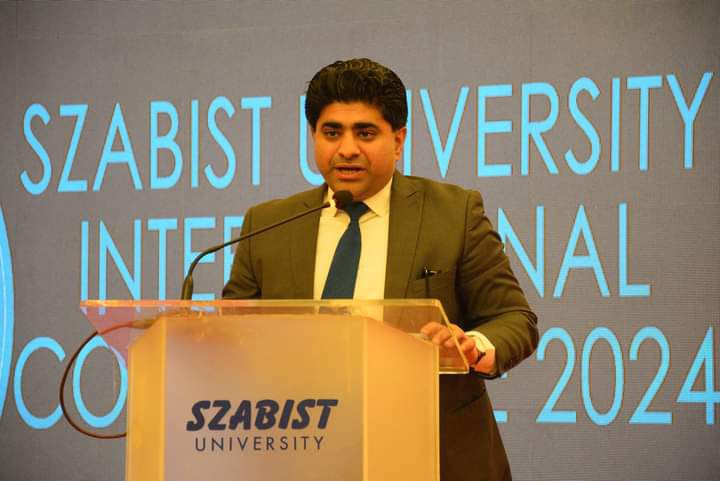
Renowned economist, Ex-Dean IBA Karachi and Former Governor, Dr. Ishrat Husain highlighted that wave of globalization led to reduction in poverty in the 90s and early 2000s. Sociopolitical changes globally with the rise of China is disrupting businesses, supply chains and economies.
But, he highlighted the opportunity as well. Working adults are more in South Asia and Africa. It opens opportunity for exporting human resource to earn remittances, though brain drain as a consequence needs to be managed.
Dr. Ishrat emphasized that human capital development is necessary to become employable in global and local labour markets. Creativity, curiosity and adaptability are important work habits to adopt as students.
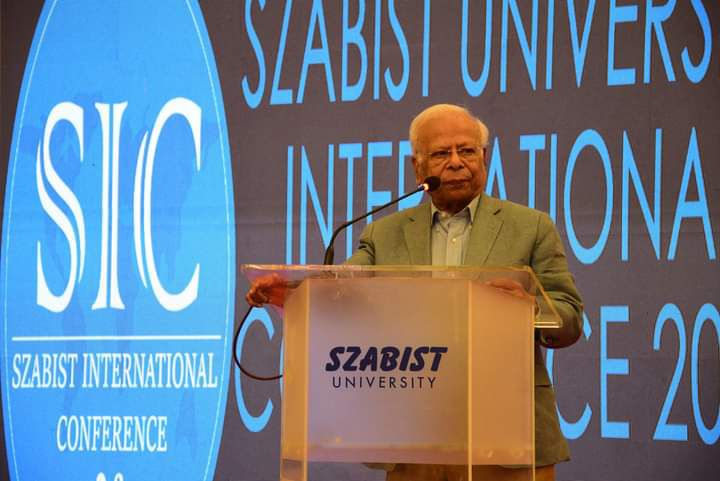
He mentioned that per capita remittances from Philippines is higher than Pakistan. This trend can be reversed if ICT based human capital development is given focus.
He also mentioned that digital finance can be utilized for enhancing financial inclusion of women. Many women in Bangladesh work in factories and it enhanced family income to invest in education of children. Lastly, he noted that conserving resources is important to move towards path of sustainable growth.
In the end, President, SZABIST University, Ms. Shahnaz Wazir Ali in her closing address thanked all the international speakers, esteemed panelists from different walks of life and the researchers who presented their research in multiple domains for their contributions in making the conference highly successful.
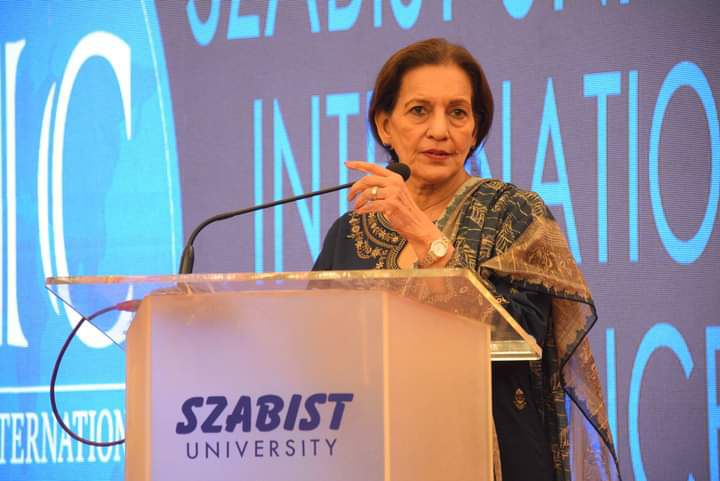
She reiterated that disruption is a challenge, but an opportunity as well. Response to sustainability requires holistic approach and hence this conference brought stakeholders from academia, industry, government and social sector. Panelists were economists, thinkers, activists and professionals working in industry, social sector as well as government representatives.
She highlighted that resilience is important to bring stability in policy and response. President SZABIST University also recommended that the insightful discussions, debates and policy proposals should be followed up by thematic roundtables at SZABIST University to come up with more refined policy suggestions which can be sent to government for policy making.
During the second day of conference, researchers also presented research papers in parallel sessions in the area of management sciences, life sciences and social sciences.
Categories: Moral Reflections on Economics
 Islamic Economics Project