Tag: EthicalEconomics

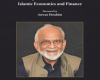
Muhammad Nejatullah Siddiqi

The book discusses the vast contributions of Dr. Muhammad Nejatullah Siddiqi in disciplines like economics, finance, Islamization, Maqasid-e-Shar’iah and contemporary socio-political and economic issues. As one of the chief contributors in Islamic economics, Dr. Nejatullah Siddiqi firmly believed that Islamization, or the acquisition of knowledge, should not be pursued for the sake of gaining power and authority. Instead, the creation, acquisition, and utilization of knowledge are fundamentally intended for the betterment of humanity. Its goal is not the universal domination of Muslims, but rather the overall welfare of humanity as a whole.


Rate this:

Measuring What Truly Matters: A Maqasid al Shariah Approach to Reforming Gross Domestic Product

When economic policy is guided solely by GDP, these ethical imperatives may be undermined. For example, a country may pursue industrial expansion that increases GDP but harms public health, violating hifz al nafs. Liberalization of entertainment sectors may boost GDP but erode moral and family values, violating hifz al din and hifz al nasl. Financial expansion through interest-based lending may raise GDP but undermine fairness and risk sharing, violating hifz al mal.

Rate this:

Islamic Economics: A Short History

The earlier scholars provided application of Islamic juristic principles to derive and apply the Islamic teachings related to commerce, entrepreneurship and consumption. Muslim scholarship initially focused on public finance and its administration to deal with the practical problems of the newly formed state which expanded rapidly and required sound legal and administrative framework to legislate economic activities centred around agriculture and trade.

Rate this: