Tag: PakistanEconomy

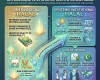
From Ontological to Epistemic–Institutional Halal

Conceptual graphic showing transition from ontological halal focusing on intrinsic nature, divine commands, and raw substances to epistemic-institutional halal involving knowledge, methods, verification, and institutional governance.

Contemporary halal certification represents a fundamental institutional transformation: the shift from an ontological framework in which permissibility is assessed directly against Islamic law to an epistemic-institutional regime in which halal status is constituted through institutional verification. This transformation is a necessary response to the informational conditions of modern economies, but it introduces structural risks—certifier-pay conflicts, interpretive fragmentation, and form-over-substance compliance—that the current institutional framework inadequately addresses.

Rate this:

The Erosion of Value: A Macroeconomic Analysis of Inflation

Modern economies operate on fiat currency, which is legal tender not backed by a physical commodity like gold or silver but by the government that issued it. Because fiat money lacks intrinsic value, its primary distinction is not stability, but the varying velocity of its depreciation. To gain an objective understanding of value, economists often look to hard assets or a basket of goods (a representative sampling of consumer products).

Rate this:

Roundup of 2nd Al Baraka Forum 2024

Al Baraka Forum for Islamic Economy in collaboration with the Islamic Chamber of Commerce and Development (ICCD) hosted the 2nd Al Baraka Regional Conference, in partnership with Al Baraka Bank Pakistan, to shed light on the crucial role of home remittances in Pakistan and their impact on sustainable development.

Rate this: