Tag: SocialResponsibility

Integrative Methodology of Islamic Economics: A Note

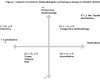
The methodological contribution of Shaikh (2026) is to formulate, more sharply than most of the literature, the choice between an assimilative economics that prices the sacred and a distinctive economics that abandons the analytical, and to argue – on the strength of World Values Survey evidence of broadly shared moral and market attitudes – that the discipline should occupy neither pole but an integrative middle. That diagnosis is sound, and the integrative impulse is the correct one. Its limitation is structural rather than substantive: Shaikh (2026) integrates the scope of analysis while partitioning its method, housing market and beyond-market behaviour under one disciplinary roof but assigning each its own separate toolkit. The result is integration by segregation, a one- dimensional fork resolved by keeping the two domains apart, and the seam shows wherever a single decision carries mixed motives.
Rate this:

The Role of Integrated Value Mediation in ESG Frameworks: Transforming Circular Agriculture within an Islamic Economic Context

The global momentum behind sustainable development has elevated ESG principles to a central position in both corporate and public sector strategies. The Global Sustainable Investment Review (2020) reports that assets managed under sustainable investment strategies reached USD 35.3 trillion, representing over one-third of total professionally managed assets worldwide. Despite this impressive shift, the practical implementation of ESG is beset by challenges, with the agricultural sector particularly affected due to its central role in food security, economic development, and environmental stewardship. Conflicts over land rights, water resources, environmental impacts, and social inequalities are common and often impede progress toward sustainability and inclusivity.

Rate this:

ESG and Banking Performance in Emerging and Developing Countries: Do Islamic Banks Perform Better?

The banks’ ESG commitment can be in the form of adopting ESG framework in their banking operation and business strategy, incorporating ESG in credit assessment, and integrating ESG commitment in their banking products. In the case of Islamic banks, incorporating the environmental pillar can be adopted in the form of promoting green financing and integrating environmental risks in the banking operation. At the policy level, the financial authority is required to have an ESG framework to be implemented in the banking industry. 

Rate this: